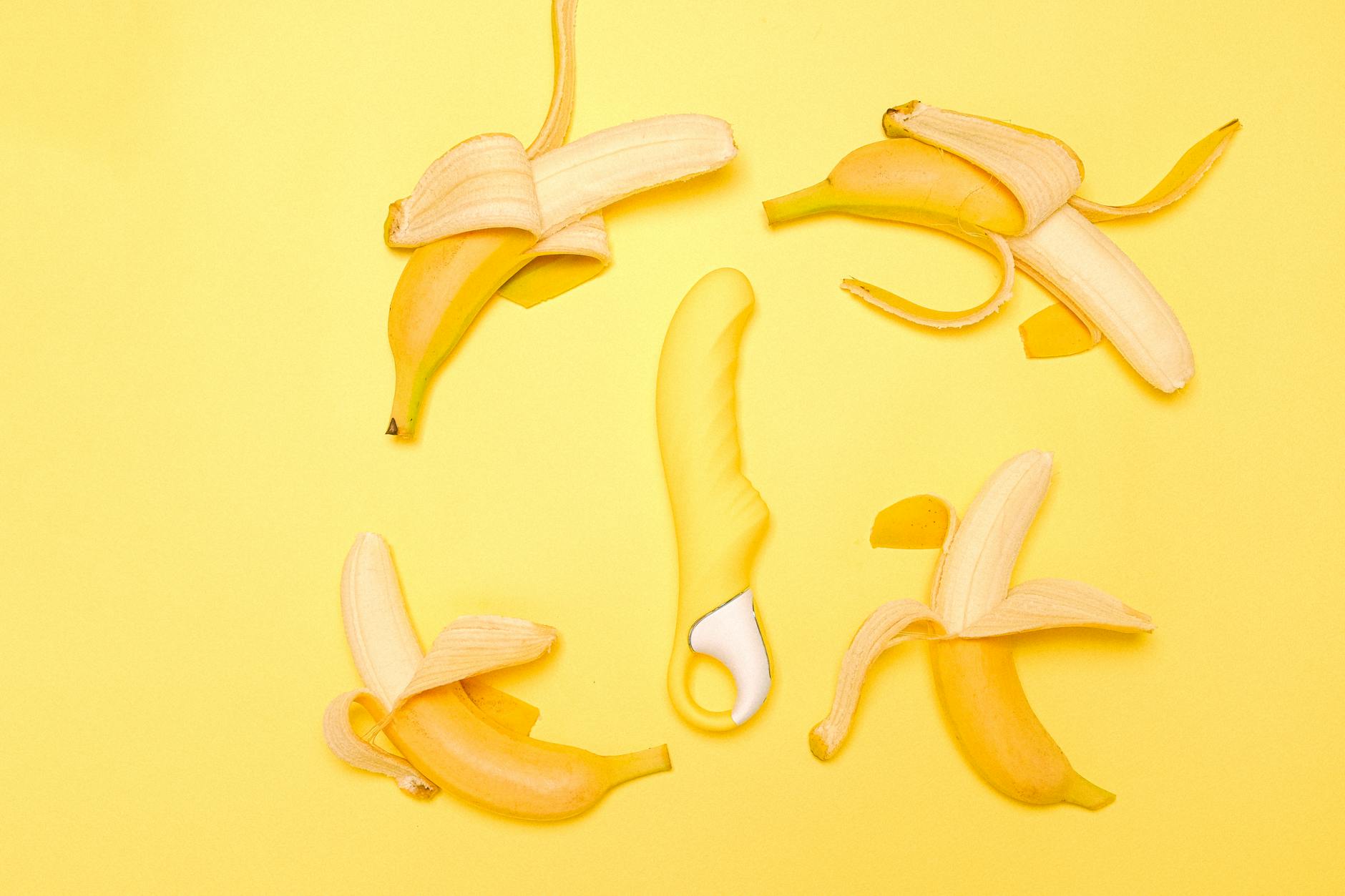
Here's what's actually happening to your sensitivity
Let's be real. If your clitoris has gotten more sensitive, you probably thought something went wrong. It didn't. Your hormones shifted, your tissue composition changed, and now the same pressure that felt amazing six months ago makes you flinch. That's not dysfunction. That's biology.
The thing is, most vibrators are designed for one type of stimulation: buzzing. They work by moving side to side or up and down at varying speeds. When your clitoral tissue gets more sensitive due to hormonal changes, medication side effects, or just your body's natural rhythm, that constant friction can feel sharp rather than pleasurable.
Why suction changes the game
Lemon vibrators use suction-based stimulation instead of traditional vibration. Instead of friction against sensitive tissue, they create a gentle seal and pulse around the clitoris. Think of it less like a massage and more like a soft mouth.
The neuroscience here matters. Your clitoris has roughly 8,000 nerve endings, and they're not evenly distributed. The highest concentration is around the external glans. Traditional vibrators stimulate these nerves through direct mechanical pressure. Suction distributes that stimulation more widely across the entire clitoral structure, including the internal branch. This feels softer and broader, even at higher intensities.
When your tissue is hypersensitive, this matters enormously. You get strong sensation without the sharp, almost painful edge that can come from direct vibration against swollen or thinned tissue.
What hormonal changes actually do to sensitivity
Three major shifts happen when your hormone levels change:
First, your clitoral tissue becomes more engorged more easily. Higher estrogen levels typically mean more blood flow and tissue thickness. When estrogen drops, that tissue thins and becomes more reactive. Your clitoris is essentially more exposed, which makes it hypersensitive to direct pressure.
Second, your skin barrier changes. The epithelial tissue of your external genitals relies on estrogen to maintain thickness and lubrication. Lower estrogen means thinner skin, less natural protection. Direct vibration can feel almost raw.
Third, your nervous system's sensitivity threshold shifts. This isn't about emotional sensitivity. This is literal nerve firing. After hormonal changes, the same stimulus that used to require a 7 on the intensity dial now feels like a 9. Your body isn't broken. It's just recalibrated.
Why lemon vibrators feel different
Because suction works differently, hypersensitive tissue responds differently. Here's what happens: instead of a vibrator pressing directly into sensitive skin, the suction creates a gentle vacuum that pulls the tissue into a softer space. You feel intense sensation without the grinding pressure.
People describe it as feeling full, surrounding, or like something is gently tugging. Compare that to direct vibrators, which people often describe as buzzing or sometimes too intense. That's the difference between pressure-based and suction-based stimulation.
For hypersensitive clits, this often translates to easier orgasms, less discomfort, and longer sessions without needing to take breaks. You can build pleasure gradually instead of hitting a wall where everything becomes too much.
How to actually use a lemon vibrator when you're hypersensitive
Start with intention about placement. You don't have to position it directly on the clitoral glans. Many people with hypersensitive clits find that positioning the suction just slightly off to the side, or over the clitoral hood, gives them the benefits of the lemon clitoral vibrator without the overstimulation.
Begin on the lowest setting and spend time there. This isn't rushing. This is letting your nervous system adjust to the sensation and your tissue respond gradually. Most people find that after a few minutes of gentle suction on a low setting, their clitoris actually becomes less sensitive and more responsive. The tissue engorges, blood flow increases, and the sensation becomes rounder and fuller.
Use water-based lubricant even if you think you don't need it. Lube isn't just for dryness. It creates a smoother seal, reduces any friction at all, and honestly, it feels better. A little slickness changes the entire experience.
Break it into phases. Spend five minutes on low, then move to medium if it feels right. Let your body signal what comes next instead of jumping straight to high intensity. Hypersensitivity often means your nervous system is overwhelmed. Pacing gives it permission to relax into pleasure.
When hypersensitivity is actually a sign you need help
Here's the important distinction: slight increase in sensitivity after a hormonal shift is normal. Hypersensitivity so intense that any touch is painful isn't something to just work around with a different toy. That can indicate genitourinary syndrome of menopause, nerve inflammation, or other conditions that actually improve with treatment.
If your sensitivity has crossed into pain, especially if it came on suddenly, see a healthcare provider. Topical treatments, pelvic floor physical therapy, and sometimes medication make a real difference. Once that's addressed, toys like lemon vibrators become genuinely pleasurable tools instead of workarounds.
The real advantage of lemon clitoral vibrators for sensitivity shifts
Beyond the suction mechanism itself, there's something else: control. Lemon vibrators give you granular control over intensity. You're not choosing between "too much" and "nothing." You can find your exact sweet spot and stay there.
Your sensitivity will probably fluctuate. Some days will feel sharper than others depending on your cycle, stress level, or just how your nervous system is wired that day. Having a toy that lets you dial in exactly what you need instead of forcing yourself to adapt to a toy's fixed vibration pattern is genuinely valuable.
The other advantage: you can explore your body without judgment. If you discover that your sensitivity has changed, and you start learning what actually feels good now instead of what used to, that's not a loss. It's information. And information is power.
FAQ
Why does my clitoris feel more sensitive after my period?
Hormone fluctuation is intense in the days after your period ends. Estrogen is rising, progesterone is dropping, and your tissues are actively changing. This often makes the clitoris more sensitive and more responsive. If your clitoris feels almost too sensitive to touch after your period, you're not alone. Many people find that they need different stimulation at different points in their cycle.
Can a lemon vibrator help if I have constant hypersensitivity?
It might, but first you want to rule out an underlying issue. How to Use a Lemon Vibrator When Arousal Takes Longer to Build covers techniques that work when your body's baseline has shifted. But if the sensitivity feels sharp or painful rather than just heightened, talk to a provider before investing in a new toy. Addressing the root cause often makes pleasure feel better overall.
Does medication cause clitoral hypersensitivity?
Some medications do, yes. Antidepressants, hormonal birth control, and certain blood pressure medications can all affect clitoral sensation. If you started a new medication and noticed changes in sensitivity, that's worth mentioning to your prescriber. Sometimes a dosage adjustment or switching medications helps. In the meantime, suction-based stimulation often feels more comfortable than traditional vibration.
Is hypersensitivity the same as having a lower orgasm threshold?
Not exactly. Hypersensitivity means the tissue is responding intensely to stimulation. Lower threshold just means you orgasm more easily. You can have one without the other. Someone with hypersensitive tissue might actually have a higher threshold because the intensity overwhelms them. How to Use a Lemon Vibrator for Better Orgasms After Age 35 explores these nuances more deeply.
Can stress make my clitoris more sensitive?
Absolutely. Stress keeps your nervous system in a heightened state, and your genitals are neurologically sensitive areas. Chronic stress essentially primes your clitoris to respond more intensely to everything, including pleasure. This is why you might notice a spike in sensitivity during stressful periods. Slowing down, breathing deeply, and using gentler stimulation like suction can help your nervous system downregulate.
How long does clitoral hypersensitivity usually last?
It depends on the cause. If it's hormone-related, it can shift with your cycle or stabilize as your body adjusts. If it's medication-related, it might improve over time or require a change. If it's stress-related, it usually eases once your nervous system settles. Most people find that their sensitivity stabilizes within a few weeks to a few months of intentional adjustment.
Your pleasure is worth understanding
Hypersensitivity isn't a flaw in your body. It's your body communicating that it needs something different. When you listen to that signal and adjust your approach, you often find pleasure that's actually deeper than what came before. A lemon vibrator, with its suction-based design, is specifically built for bodies that need gentleness without sacrifice. That's not settling. That's tuning in.